The Art of Rolling Cigars content main image

The Art of Rolling Cigars

Back To Cigar Culture & Community

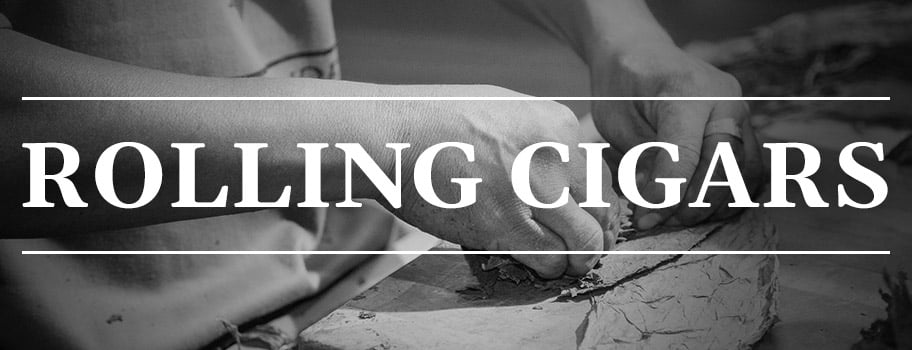
​A master torcedor holds the most prestigious title in the cigar industry. With a few cuts of a chaveta knife and as few as 15 individual tobacco leaves, an artisan creates more than just a cigar: he creates an experience to be remembered.

The History of Rolling Cigars

​Historically, cigars were rolled by one master artisan who blended, bunched, and wrapped each stick from start to finish. Since production moved outside Cuba, cigars are now commonly rolled by teams of two individuals for better efficiency; one person physically bunches the filler recipe together, then applies the binder. The other applies the final wrapper leaf. Of the two, the master roller (torcedor) earns the responsibility of applying the final leaf to the blend even though he or she can also blend and bunch. Applying the wrapper is the most important step in cigar making and the torcedor must pay great attention to detail regarding appearance and construction — if the cigar performs poorly, 98% of the time it is the fault of the master roller. 

A Cigar Roller's Tools

At each rolling table you’ll find the following necessary items: a chaveta (cigar knife), a small cup of pectin (organic vegetable adhesive), a chupe (used to cut the cap of the cigar), a table cutter, a blend of different long-filler tobaccos and of course, wrapper leaves. 

The Process of Rolling Cigars

The buncher assembles each cigar by choosing the appropriate long-filler tobaccos and folds them “accordion” style to allow air passages. He will then apply the binder leaf to the bunch by hand, although some factories use a Lieberman machine to apply the binder, before putting each bunch into a cigar mold. Here the stick takes the familiar shape of a cigar. The mold gets pressed for nine minutes, ensuring each maintains its intended shape. The pressed cigars return to the rolling table where the master torcedor takes over, applying the final wrapper leaf and cap. 

Wrapper leaves are not only the most delicate to work with, but they’re also the most expensive part of a cigar’s components. A series of strategic cuts are made with a chaveta so the wrapper leaf will cover the cigar properly. These cuts vary drastically depending on shape and size — the only way to perfect the art is experience.  

Although master torcedores can assemble a premium cigar in less than one minute, it takes years of training to develop the skills necessary to succeed as a cigar roller. 

The Art of Rolling Cigars content main image

The Art of Rolling Cigars

Back To Cigar Culture & Community

​A master torcedor holds the most prestigious title in the cigar industry. With a few cuts of a chaveta knife and as few as 15 individual tobacco leaves, an artisan creates more than just a cigar: he creates an experience to be remembered.

The History of Rolling Cigars

​Historically, cigars were rolled by one master artisan who blended, bunched, and wrapped each stick from start to finish. Since production moved outside Cuba, cigars are now commonly rolled by teams of two individuals for better efficiency; one person physically bunches the filler recipe together, then applies the binder. The other applies the final wrapper leaf. Of the two, the master roller (torcedor) earns the responsibility of applying the final leaf to the blend even though he or she can also blend and bunch. Applying the wrapper is the most important step in cigar making and the torcedor must pay great attention to detail regarding appearance and construction — if the cigar performs poorly, 98% of the time it is the fault of the master roller. 

A Cigar Roller's Tools

At each rolling table you’ll find the following necessary items: a chaveta (cigar knife), a small cup of pectin (organic vegetable adhesive), a chupe (used to cut the cap of the cigar), a table cutter, a blend of different long-filler tobaccos and of course, wrapper leaves. 

The Process of Rolling Cigars

The buncher assembles each cigar by choosing the appropriate long-filler tobaccos and folds them “accordion” style to allow air passages. He will then apply the binder leaf to the bunch by hand, although some factories use a Lieberman machine to apply the binder, before putting each bunch into a cigar mold. Here the stick takes the familiar shape of a cigar. The mold gets pressed for nine minutes, ensuring each maintains its intended shape. The pressed cigars return to the rolling table where the master torcedor takes over, applying the final wrapper leaf and cap. 

Wrapper leaves are not only the most delicate to work with, but they’re also the most expensive part of a cigar’s components. A series of strategic cuts are made with a chaveta so the wrapper leaf will cover the cigar properly. These cuts vary drastically depending on shape and size — the only way to perfect the art is experience.  

Although master torcedores can assemble a premium cigar in less than one minute, it takes years of training to develop the skills necessary to succeed as a cigar roller.